
Field Meeting Report — Brown Robin Nature Reserve on September 22 2026
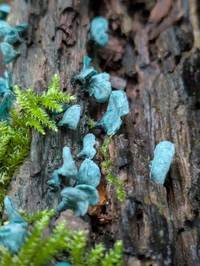
Our final field trip of the year came in late September as a group of thirteen met at the Cumbria Grand Hotel entrance to Brown Robin Nature Reserve. Whilst this reserve is worth visiting at any time of year, on our autumnal trip we hoped to find some of the wide variety of fungi it is renowned for. We met in warm but drizzly conditions which persisted for the duration of our visit and which significantly reduced the amount of invertebrate activity. We approached the reserve through the hotel’s Woodland Walk and immediately encountered a wide variety of fungi. Amongst these initial highlights was a fine display of Green Woodcup (Chlorociboria aeruginosa) which were found sprouting on a fallen branch. This small, turquoise fungus is easily overlooked although its after-effects can often be seen as the fruiting body stains the wood green as it decays. The resultant ‘green oak’ was used in decorative wood panelling in the Early Renaissance period. Here we also found Yew trees bearing the galls of the midge Taxomyia taxi, somewhat confusingly known as the Artichoke Gall Midge but distinctly different from the Artichoke Gall Wasp which uses oak as its host plant. The galls of the midge are formed at the tip of yew branches in the shape of a tight knot of yew leaves twisting into the gall which hosts the midge larvae.
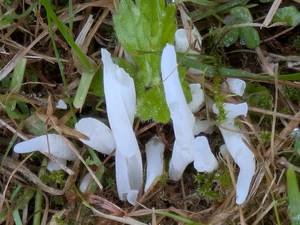
We diverted off the main path to explore a grassy clearing which is home to a bug hotel and some reptile sheets which today only sheltered a small Common Toad and Common Frog. However, the lawn proved a good source for grassland fungi including White Spindles (Clavaria fragilis) and two species of waxcap – Spangle Waxcap (Hygrocybe insipida) and Parrot Waxcap (Gliophorus psittacinus). The latter derives its curious name from its initial vivid green colouring, which makes it very difficult to spot amidst the grass, but which gradually fades to yellow as the fungus matures. Sadly, it appeared we were too early in the year for the majority of the grassland fungi which Brown Robin is famed for. We found a handful of invertebrates were found in and around this area including Birch Shieldbug and an unusual and distinctively orange coloured fly Thricops diaphanus.
We left the woodland and emerged onto the fields of Brown Robin at the foot of the steep slope up to Top Field. Under better conditions we could have anticipated fine views over Morecambe Bay but on this occasion, visibility was severely limited owing to the mist and drizzle. This though had resulted in a different but almost as picturesque spectacle as the webs of hundreds of Garden Spiders were bedecked with drops of moisture which created a striking autumnal scene stretching across the full field. We slowly made our way up the hill, seeing much evidence of Badger activity in the form of diggings and toilets along the wall enclosing the field. Arriving at the brow of the hill we spent some time exploring amongst the trees growing along the summit. We found fungi there; Glistening Ink-caps (Coprinellus micaceus) with their fruiting bodies deliquescing into the black liquid spores which give them their name. We found an impressively-sized specimen of Southern Bracket (Ganoderma australe) growing at the base of a Beech tree whilst the same species of tree was also home to the much smaller Beech Woodwart (Hypoxylon fragiforme), another aptly-named species with the brown wart-like growths sprouting from the bark. Here we also briefly spotted a Bank Vole scurrying for cover.
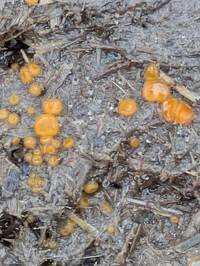
The path down to the lower Park Field was too slippery in the wet conditions so we retraced our steps and returned to the Woodland Trail to complete our walk. On this final leg of our journey, we encountered more fungi including the vibrant yellow of abundant Sulphur Tuft (Hypholoma fasciculare) and Turkeytail (Trametes versicolor). Our walk concluded back at the hotel car park with the distant sound of Pink-footed Geese emerging from the Morecambe Bay mists – a real harbinger of the changing season.
Jeff Gorse
Fungi
- Birch Polypore - Fomitopsis betulina Hoof Fungus - Fomes fomentarius
- Turkeytail - Trametes versicolor
- Sulphur Tuft - Hypholoma fasciculare
- Green Wood Cup - Chlorociboria aeruginascens
- Peeling Oysterling - Crepidotus mollis
- Yellow Stagshorn - Calocera viscosa
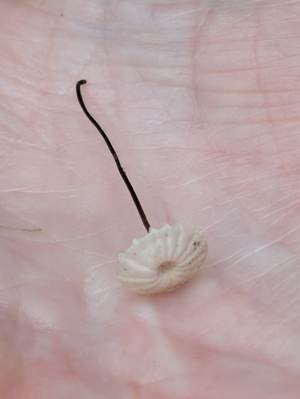
- Collared Parachute - Marasmius rotula
- Common Bonnet - Mycena galericulata
- Parrot Waxcap - Gliophorus psittacinus
- Spangle Waxcap – - Hygrocybe insipida
- Dung fungus - Cheilymenia granulata
- Violet Bramble Rust - Phragmidium violaceum
- Beech Woodwart - Hypoxylon fragiforme
- Southern Bracket - Ganoderma australe
- King Alfred's Cakes - Daldinia concentrica
- Tar Spot fungus - Rhytisma acerinum
- Glistening Ink-cap - Coprinellus micaceus
- Hebeloma species
- Brittlegill species - Russulaceae
- Bolete species
- Pinkgill species - Entolomataceae
- White Spindles - Clavaria fragilis
Invertebrates, Arachnids and Molluscs
- Fly Thricops diaphanus
- Leafhopper Acericerus heydenii
- Plant Bug Neolygus viridis
- Sheep Tick Ixodes ricinus
- Artichoke Gall (Yew Tree) Midge Taxomyia taxi
- Snail Clausilia bidentata bidentata
- Snail Balea heydeni
- Garden Spider
Amphibians
- Common Toad
- Common Frog
Birds
- Coal Tit
- Pink-footed Goose
Mammals
- Bank Vole
- Grey Squirrel